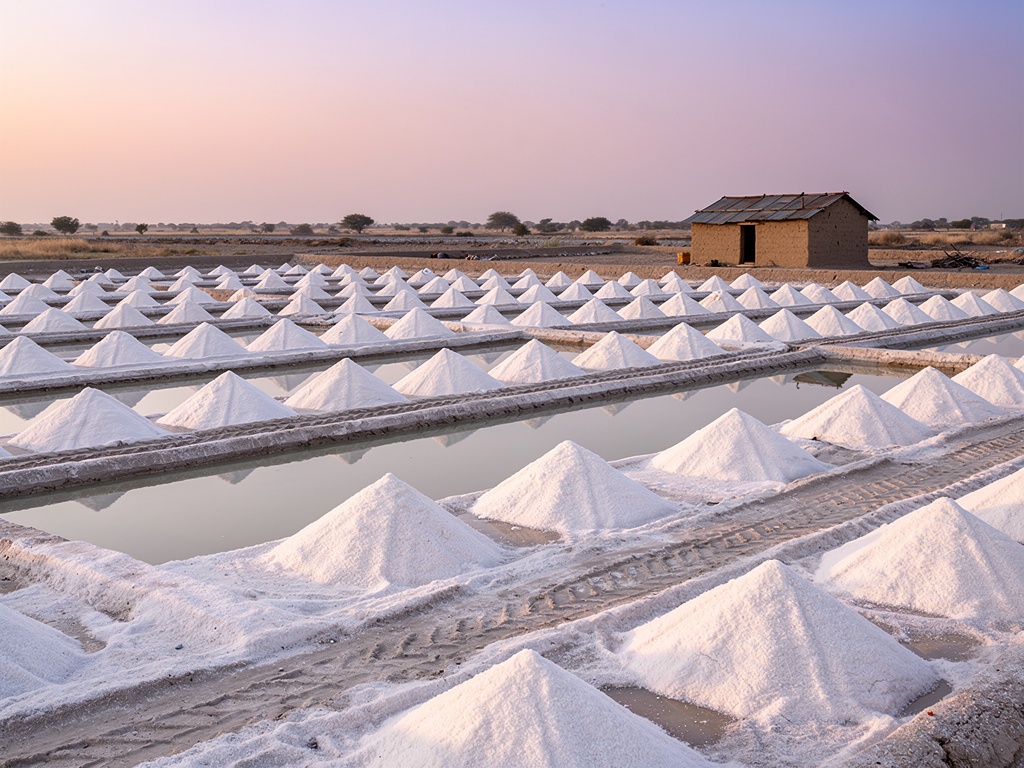
The salt pans & the Agariya story
White geometry that photographs like nowhere else — and a community that harvests India's salt under a brutal sun. Here's how to see the pans with your eyes open.
The context
Who makes the salt
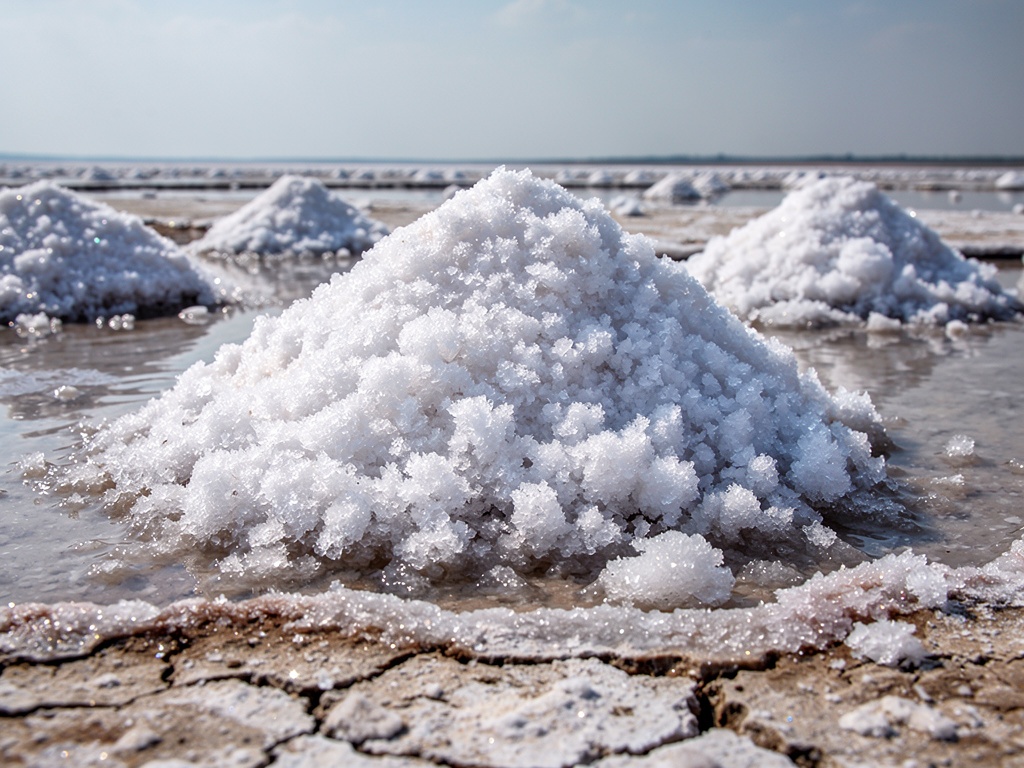
The pans are worked by the Agariya community, who live in temporary settlements on the Rann for the harvest season. Brine is pumped into shallow pans, evaporated by sun and wind, and raked into the white mounds you see. It is hard, seasonal, low-paid work — and it supplies a large share of India's salt.
Photograph the geometry, the light and the landscape freely. Photograph the people only with permission, and never as props. A respectful question, a greeting in Gujarati, and a purchase of salt or a small donation to a local cooperative go further than any picture.
નાના રણનાં મીઠાનાં ખેતરો અગરિયા સમુદાયની મહેનતથી ભરેલાં છે — મીઠું લણવાની આ મોસમી મહેનત ભારતનું ઘણું મીઠું પૂરું કરે છે.
Practical
How to visit
| Detail | Note |
|---|---|
| Where | Salt works along the Rann's edge, reachable from Dasada or Dhrangadhhra |
| Season | Oct–May harvest; summer is the hardest, most active time |
| Arrangement | Go with a local guide or lodge; ask before entering any settlement |
| Best light | Golden hour — the pans glow at dawn and dusk |
Next