Culture & history of Zalawad
Jhalavad is the old name, the Zala Rajputs are the old rulers, and the crafts are the living thread: bandhani in Wadhwan, Tangaliya in Sayla and Bajana, ceramics in Thangadh, chillies in the fields.
The history pillar
Jhalavad, Zala Rajputs & the 1946 renaming
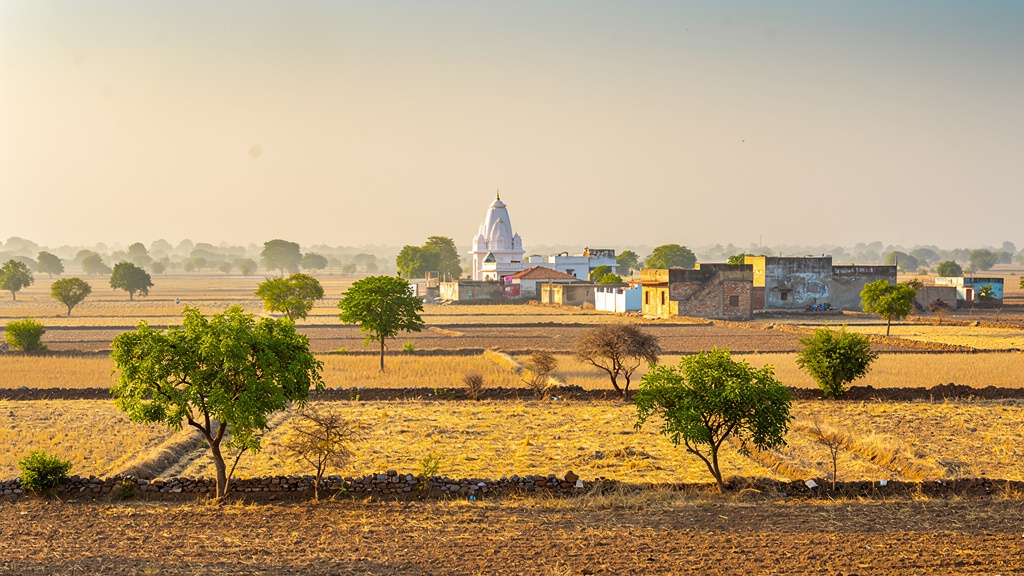
Before it was a district of independent India, this was Jhalavad (Zalawad) — the country of the Zala Rajputs, ruled from Wadhwan. When the princely state merged after independence, the railway settlement across the river — Wadhwan Camp — took the new name Surendranagar in 1946, and the old capital kept its walls and its memory.
That handover explains the district's double life: a heritage town that ran a kingdom, and a railway town built to move people and cotton. Every heritage walk in Wadhwan, every tower in the city, is a step through that story.
ઝાલાવાડ એટલે ઝાલા રાજપૂતોનો દેશ. ૧૯૪૬માં વઢવાણ કેમ્પનું નામ બદલીને સુરેન્દ્રનગર થયું — પણ વઢવાણે પોતાનો ઈતિહાસ જાળવી રાખ્યો છે.
Living crafts
Where makers still work
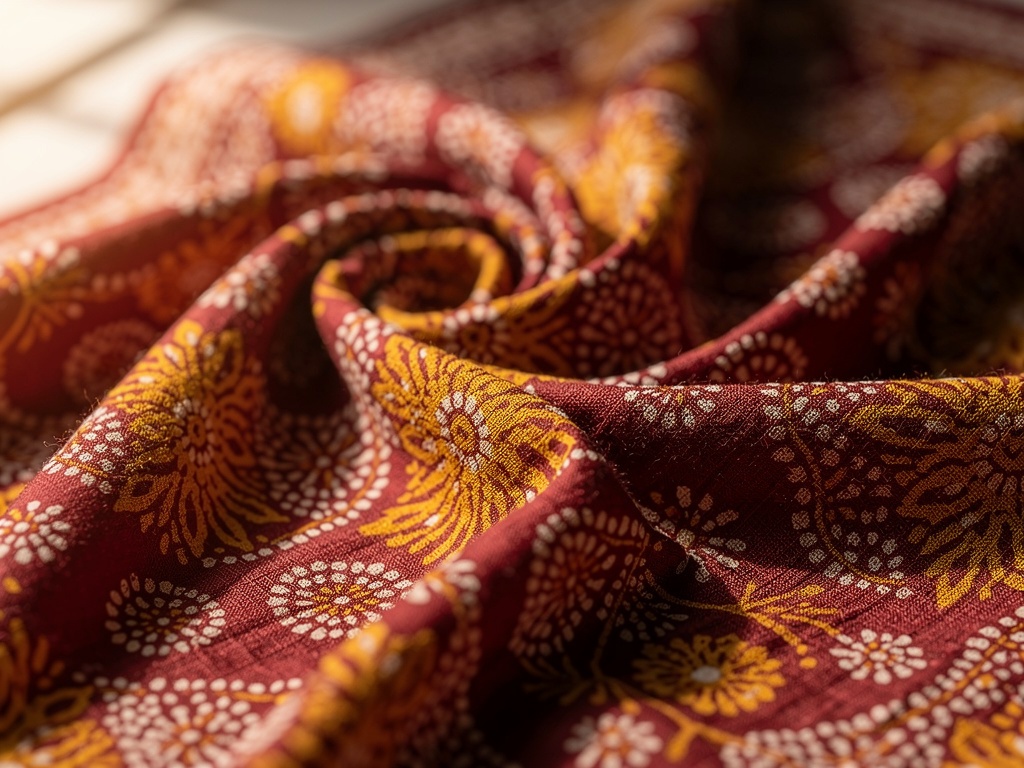
Bandhani tie-dye
Knotted, dipped, unknotted by hand — the dotted silk and cotton of Wadhwan's lanes. Watch the dyers in the morning.
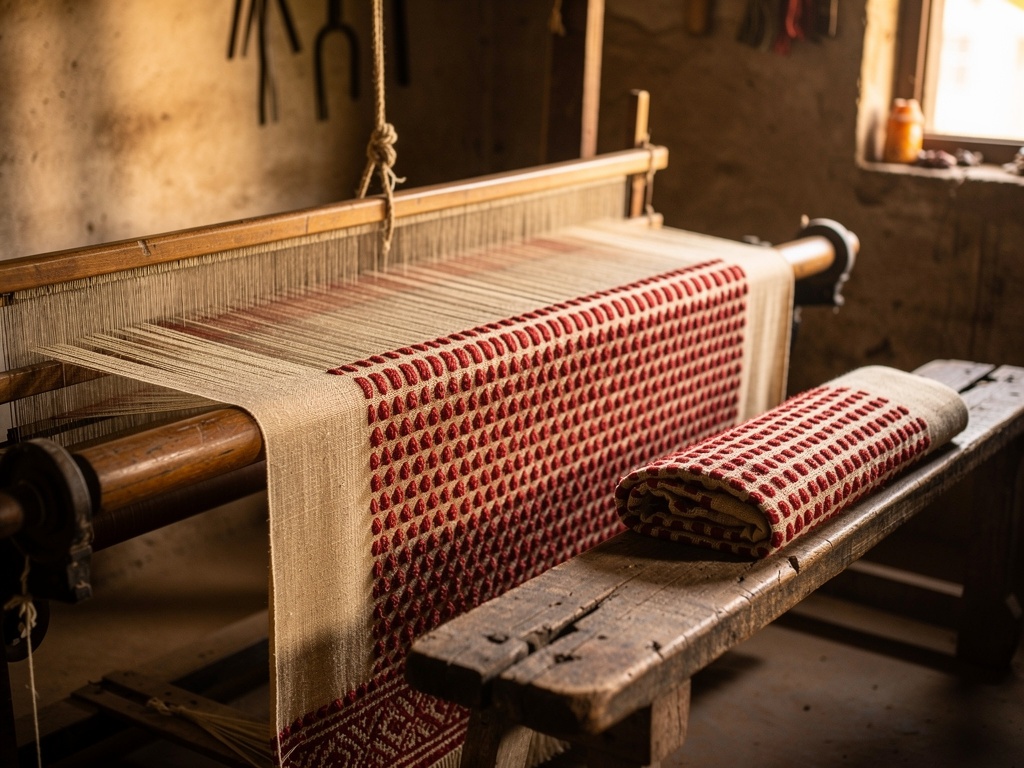
Tangaliya weaving
A dotted, geometric weave made by wrapping thread around the warp — a craft with a GI tag and very few looms left.
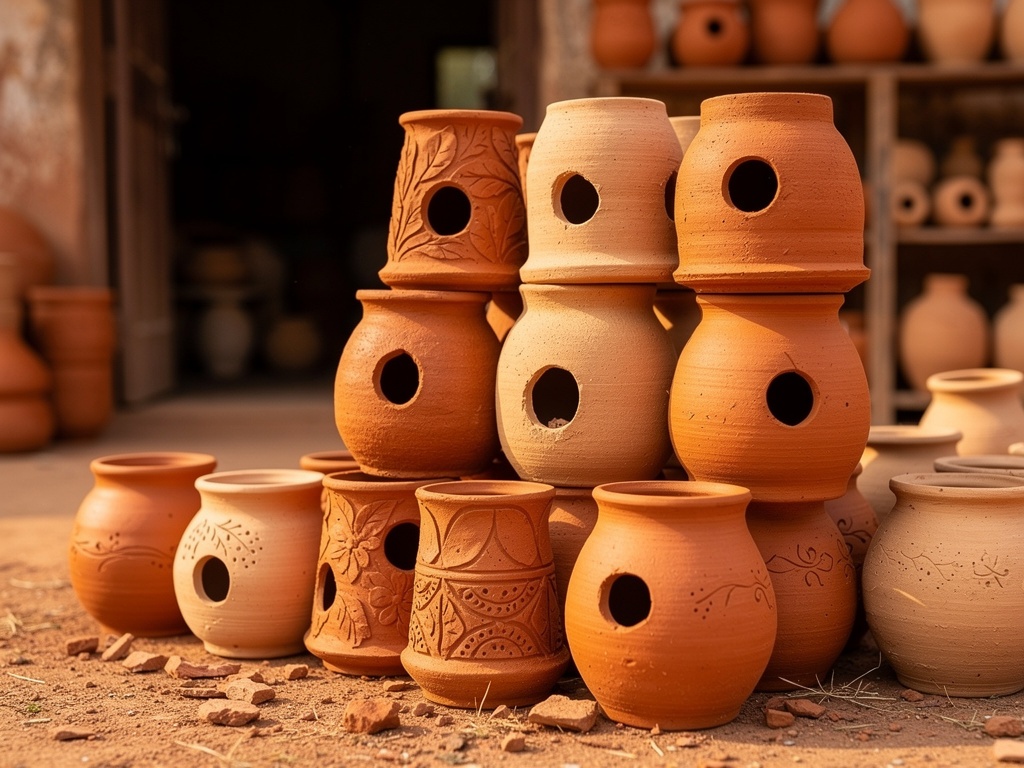
Ceramics & clay
A town that works in clay — kilns, water pots and clay birds. Visit by appointment, buy from the kiln.
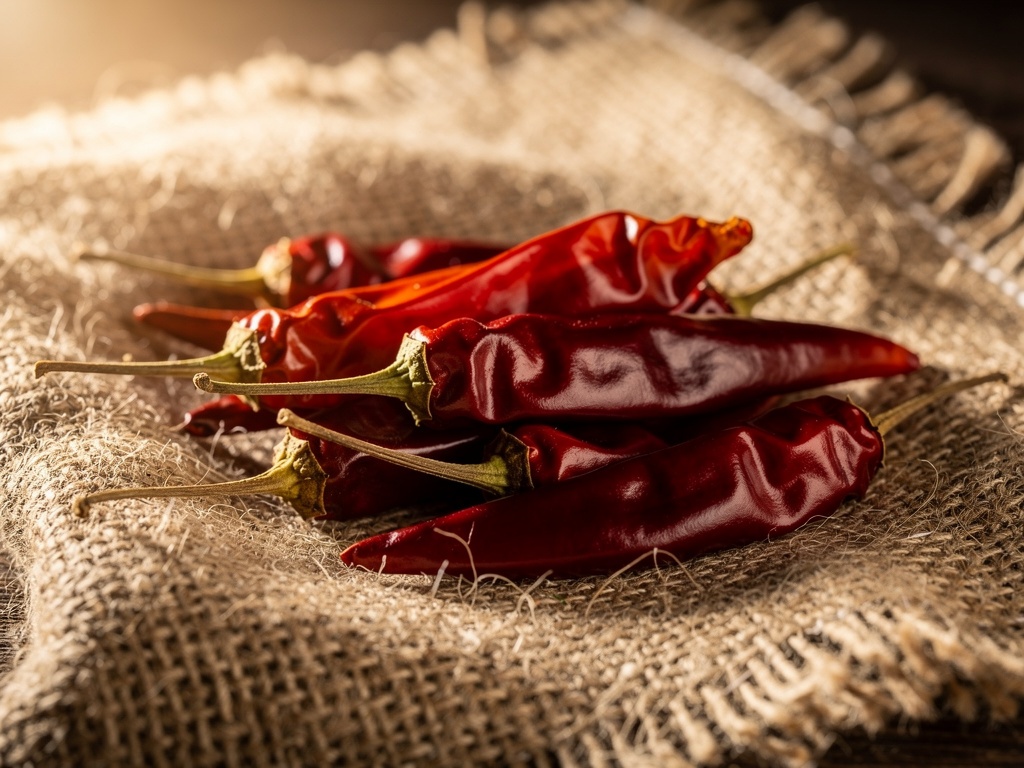
Wadhwani marcha
The district's famous red chilli — a flavour, an economy and a harvest-season sight across the farmland.